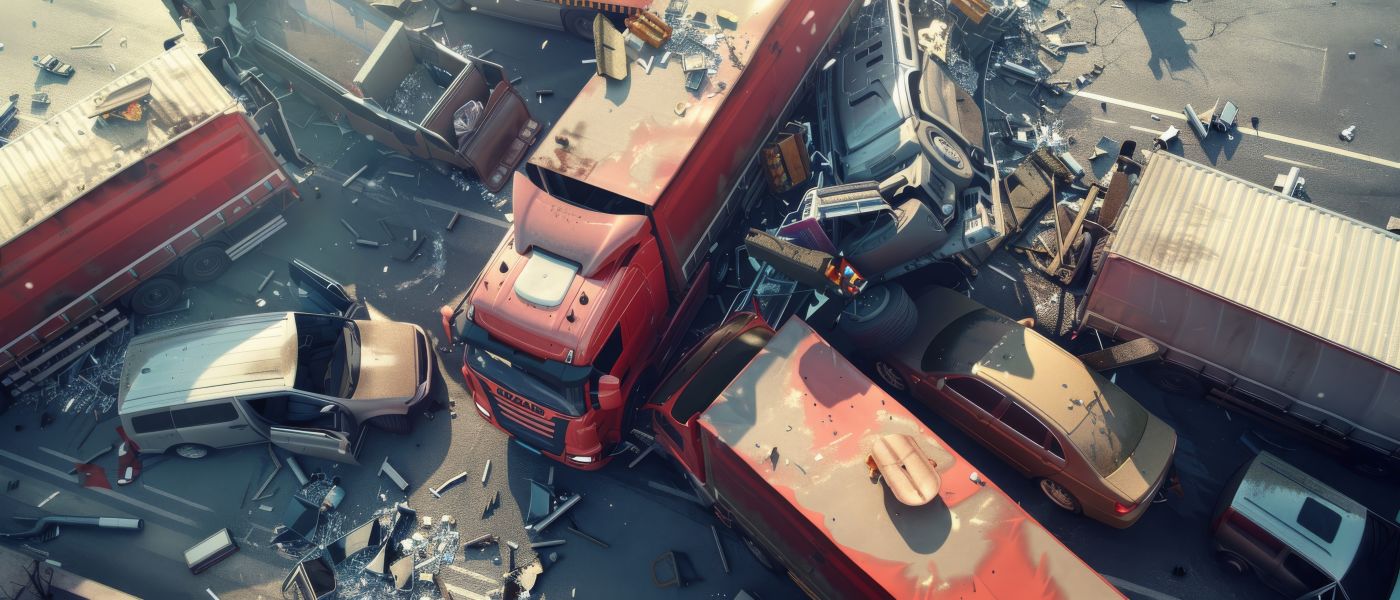
When a car crash happens, things can move quickly—and not always in the way you expect. You may deal with immediate medical bills, insurance adjusters, repair estimates, and the stress of what comes next. In a scenario where someone is injured and a claim for compensation is pursued, the evidence you have matters.
That’s especially true in a personal injury case, where you’re asserting that another party’s negligence caused your harm. One tool that’s increasingly coming into play in these situations is dashcam footage.
Harris & Hart Attorneys at Law, based in Overland Park, Kansas, represents clients throughout all of Kansas and Missouri in a wide range of personal injury matters, including car and truck accident cases where dashcam footage can play a vital role. With more than 50 years of combined experience, the firm’s attorneys understand how critical clear, credible evidence can be in establishing fault and strengthening a claim.
Harris & Hart is committed to helping injured individuals and their families pursue fair compensation, offering skilled legal guidance and practical insight into how technology like dashcams can impact personal injury cases across Kansas and Missouri.
Here, they’ll walk through how dashcam videos affect car accident lawsuits, examine what that means for a personal injury claim, and suggest what you should know if you’re dealing with one after a crash in Kansas.
What Dashcam Footage Is and Why It Can Matter
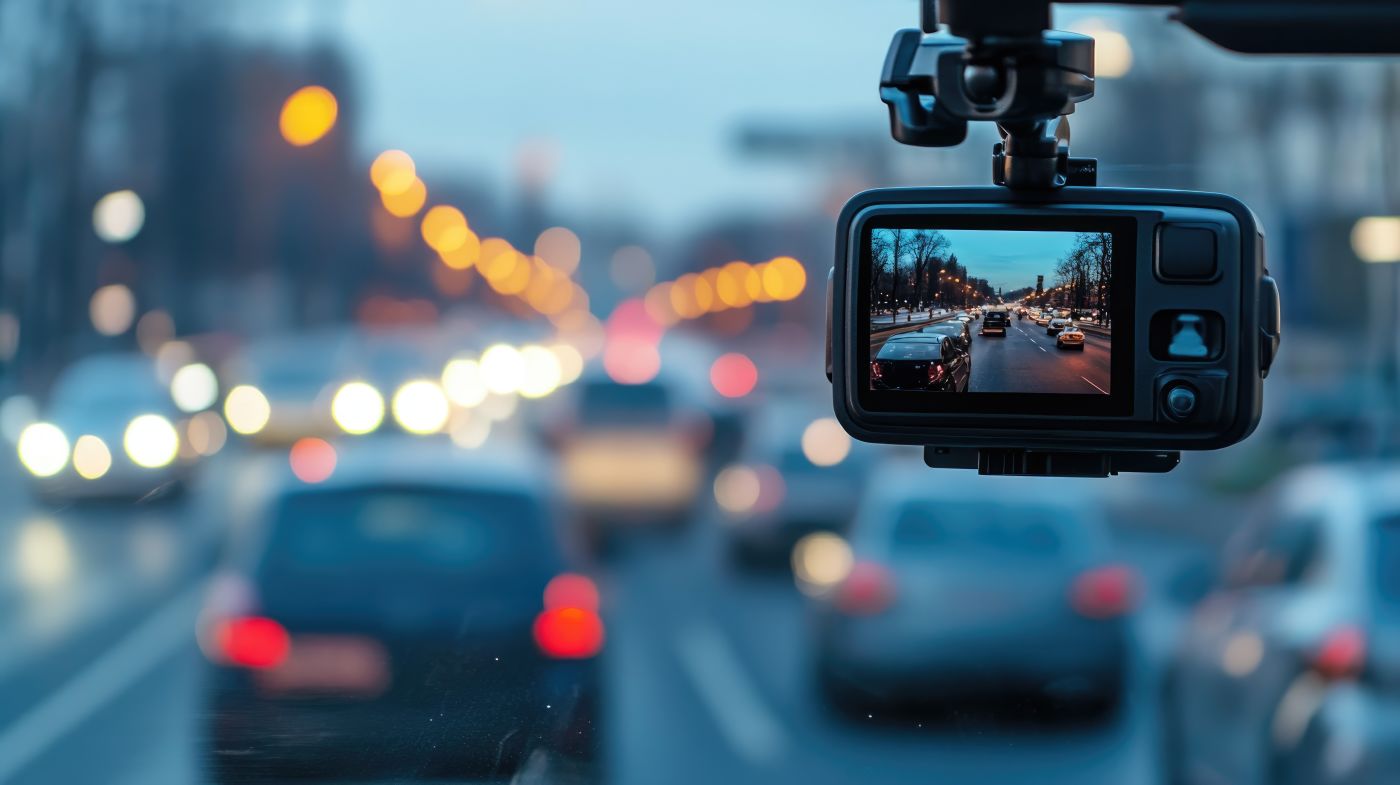
A dashcam (short for “dashboard camera”) is a small video recording device mounted inside a vehicle, usually on the windshield or dashboard. It’s designed to record the road ahead—and sometimes behind or inside the vehicle—continuously or when triggered by an incident. The main reason it matters in a lawsuit is that it offers a recorded, objective view of what happened in and around the moment of a collision.
In a personal injury case following a car crash, one of your key tasks is to show how the accident happened, who caused it, and how you were hurt. Written reports, witness statements, and photos help—but video often speaks louder.
Dashcam footage provides clear, direct insight into the incident. When you have a video showing what occurred, it reduces ambiguity in your personal injury lawsuit. It gives you a potential advantage when fault is disputed or when the other party tries to downplay what happened.
How Dashcam Evidence Aids Fault and Liability Issues
In personal injury law, particularly after a car crash, establishing liability (who was at fault) is often the core dispute. Dashcam footage can play a pivotal role in that. Here are a few ways it helps:
It shows what each vehicle did in the seconds before the impact—such as whether someone ran a red light, made an improper turn, or failed to yield.
It records the actual moment of collision, which helps quantify the force of impact, vehicle damage, and the positions of vehicles afterward.
It removes or reduces reliance on differing witness accounts, which can be vague or conflict with each other.
In Kansas, as in many states, personal injury claims arising from car accidents go through claims with insurers and may progress to litigation if they’re contested. Having dashcam footage early can strengthen the claim by supporting your view of what happened.
That said, there are some caveats: The recording must be relevant, be in its original form (unedited), and be properly preserved so it’s admissible in court or in negotiations.
Impact of Dashcam Footage in Personal Injury Claims
When someone brings a personal injury claim after a car accident, they’re seeking compensation for harms such as medical bills, lost wages, pain and suffering, and other damages. Dashcam footage can affect a personal injury claim in these ways:
It helps justify causation: you’re required to show your injuries were caused by the accident, and the video shows the accident occurred.
It helps show severity: when the crash appears serious on video, it may support your medical records and increase credibility for more serious damages.
It protects against exaggerated or fraudulent claims: in some cases, the other party will challenge your account. If you have footage, that challenge is harder to sustain.
However, dashcam footage isn’t a guarantee of success in a personal injury lawsuit. It can help or hurt depending on what it shows. If the footage shows you were partially at fault, it will be used against you. So the value of the video depends on what it reveals.
Practical Considerations in Using Dashcam Footage in Kansas Personal Injury Cases
If you’re dealing with a personal injury claim in Kansas after a crash and you or someone else has dashcam footage, here are practical considerations to keep in mind:
Preserve the footage immediately. Don’t delete or overwrite the video. If your camera loops, make a backup quickly. One basis for rejecting footage is when the chain of custody or authenticity is in doubt.
Avoid altering the footage. Don’t edit, clip, or tamper with the video. That may cause the other side to challenge its admissibility.
Provide the footage to your attorney and insurer in a timely way. Don’t wait until late in the case when it may have been lost.
Be mindful of what the video shows about your own conduct. If the footage shows you acting negligently—speeding, texting, distracted driving—it can hurt your personal injury claim.
Use dashcam footage alongside other evidence. Even excellent footage may not tell the whole story. Expert accident reconstruction, witness statements, medical records, and police reports all still matter.
These steps reflect good practices and help you avoid pitfalls in a personal injury claim involving dashcam evidence.
Common Issues and Pitfalls to Watch Out for in Dashcam Evidence
While dashcams have major benefits, you should also be aware of common issues that may affect how your personal injury case plays out:
Poor video quality or unclear view. If the footage is grainy, dark, or the camera angle doesn’t show the relevant vehicles clearly, its value drops.
Incomplete footage or missing crucial moments. If the film doesn’t capture the lead-up to the crash (only the impact) or is interrupted, the opposing side may argue it’s misleading.
Perspective limitations. A single dashcam may not show all angles of a crash. If your perspective is limited (just forward-facing), key facts might still be missing.
Questions about authenticity or chain of custody. If the video has been edited or you can’t show it was recorded at the time of the crash, a court or insurer may reject or discount it.
Footage showing bad behavior by you. As mentioned, if the dashcam reveals you did something negligent, that may reduce your recovery under Kansas comparative fault rules.
Overreliance on the footage alone. Even with good video, your personal injury claim still needs strong medical documentation, proof of damages, and a coherent legal theory. Video is a tool—not an automatic fix.
Understanding these issues helps you and your personal injury lawyer set realistic expectations about how dashcam evidence will play into your case.
Why You Should Act Quickly and Thoughtfully
In the state of Kansas, personal injury claims following car accidents may involve the state’s legal deadlines and rules for fault and recovery. A few key reminders:
Statute of limitations: You must file a personal injury lawsuit within a certain timeframe in Kansas. Missing that window could mean losing your chance to recover.
Comparative fault: Kansas follows a comparative fault approach, meaning that if you were partly to blame for the accident, your recovery may be reduced accordingly. Having dashcam footage that shows minimal or no fault on your side can therefore be important.
Evidence preservation: The sooner you act—collecting video, preserving your medical records, taking photographs of the scene—the stronger your personal injury case will generally be.
Preservation letters and spoliation risks: If other vehicles or parties may have video (such as another driver’s dashcam or a nearby traffic camera), sending preservation letters early can help secure that evidence. If the video is lost or destroyed, that could harm your claim.
Given these factors, when dashcam footage is available in the moments after a crash, it’s wise to preserve it, involve counsel, and integrate it into your personal injury claim strategy.
Take the Next Step After a Car Accident
When you’re facing a personal injury claim after a car accident, having strong, credible proof of what happened can make all the difference. A dashcam offers a powerful form of evidence—it captures real moments, from real vehicles, in real time. It can give your personal injury lawyer an edge in proving liability, supporting your claim for damages, and negotiating more favorably.
At the same time, dashcam footage isn’t a cure-all. It must be preserved correctly, be clear and relevant, and be paired with medical evidence and other documentation. If the video shows that you contributed to the crash, it may hurt rather than help.
If you or a loved one has been hurt in a car wreck in Kansas or Missouri and you believe dashcam footage plays a role in your case, act promptly. Save the video, don’t tamper with it, take notes about what you remember, and contact Harris & Hart Attorneys at Law in Overland Park, Kansas, for experienced legal guidance.
With the right approach, dashcam footage can be a key piece in building a strong case for recovery—even when life after the accident has felt overwhelming. Reach out to Harris & Hart Attorneys at Law today to schedule a consultation and discuss how their experienced personal injury attorneys can help you move forward.