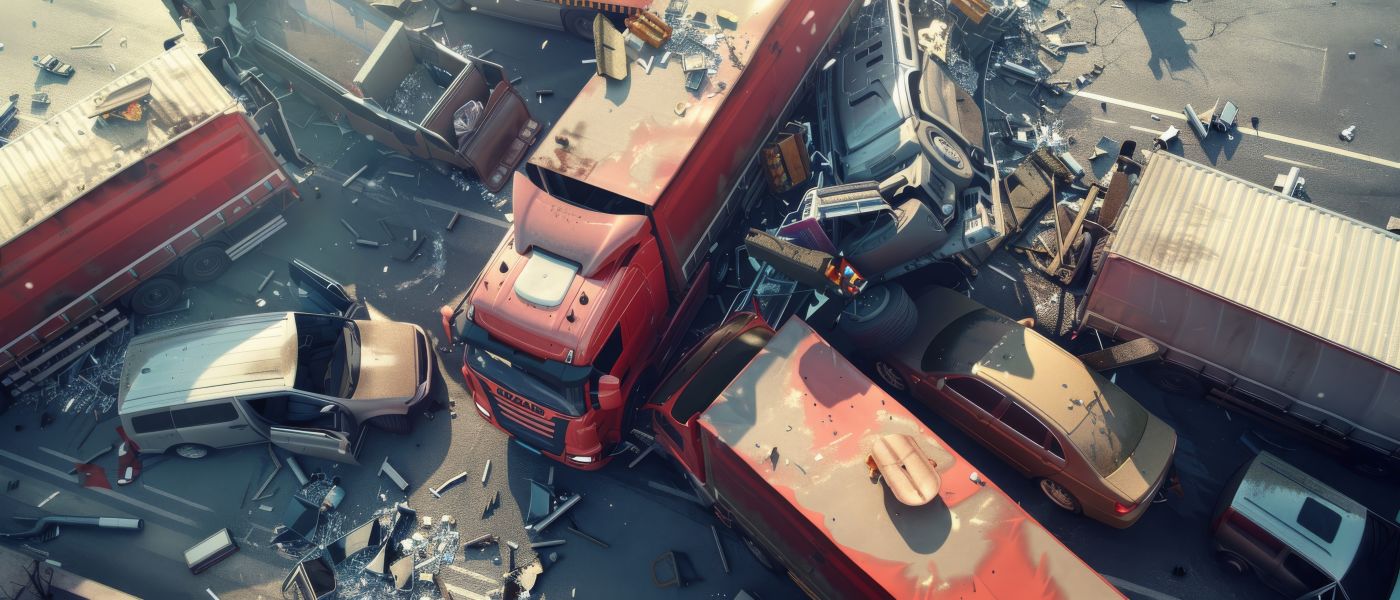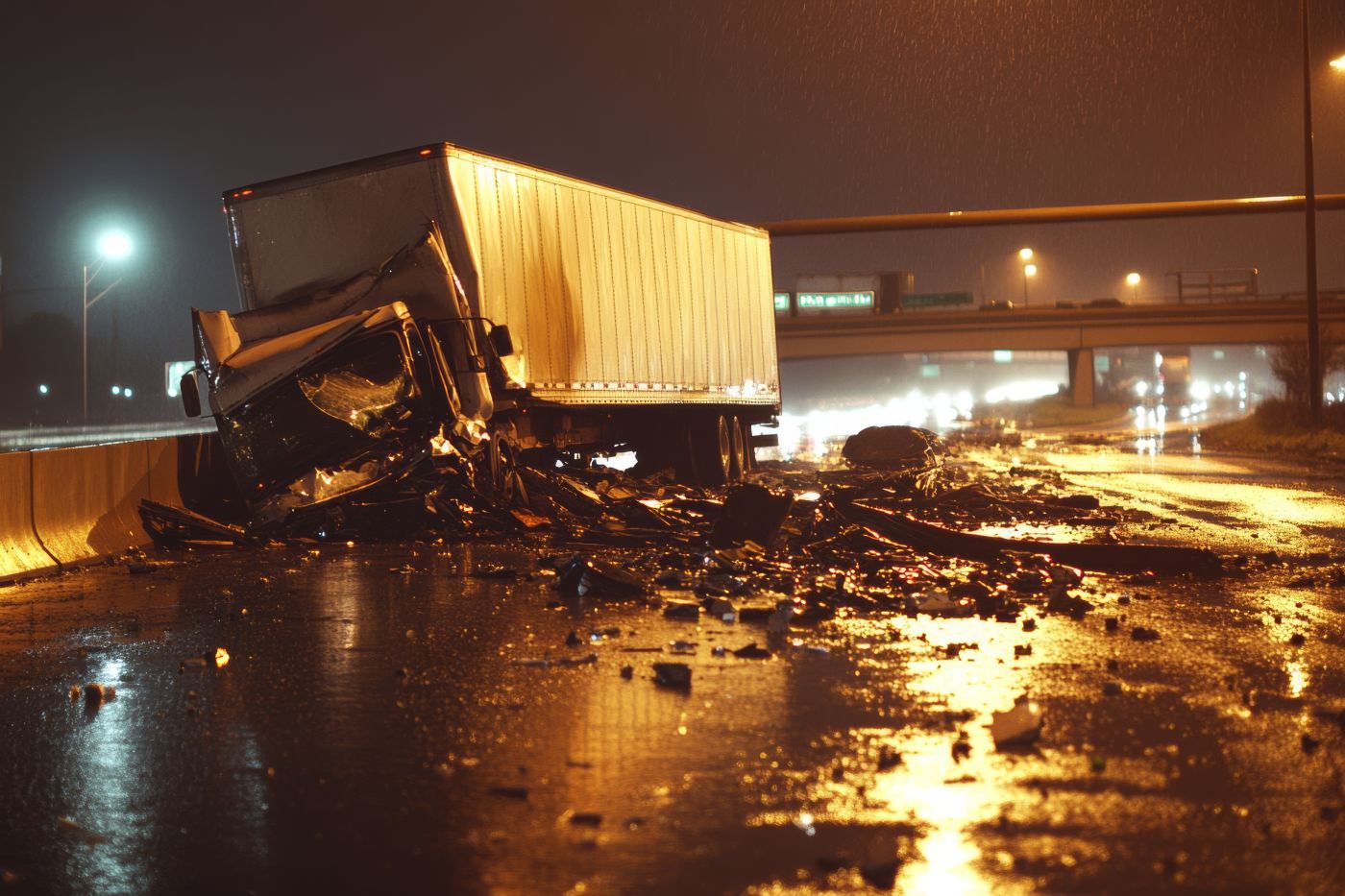
Traffic accidents are unfortunate, but collisions involving large commercial trucks often pose significant challenges and lead to serious injury due to the size, weight, and scale of these vehicles. While passenger vehicle collisions often involve more straightforward claims, truck accidents are typically more involved due to federal regulations and potential commercial liability.
Based in Overland Park, Kansas, Harris & Hart Attorneys at Law is experienced in representing those who have been injured in trucking accidents. The firm is dedicated to supporting injured individuals and their families in seeking rightful compensation, providing thoughtful legal guidance throughout the claims process in Kansas and Missouri.
The firm represents clients throughout Kansas City, Overland Park, Johnson County, Leavenworth, Linn, Miami, Wyandotte, Douglas, and the surrounding areas. If you have been injured in a trucking accident, reach out to Harris & Hart Attorneys at Law today to learn how these accidents differ from passenger vehicle collisions and how you can file a claim for compensation.
Common Causes of Truck Accidents
Truck accidents are an unfortunate occurrence on U.S. roads. Unlink passenger vehicle accidents, which involve two or more smaller vehicles, truck accidents involve tractor-trailers or other large commercial vehicles. These accidents can be caused by a number of reasons, including:
Driver fatigue or drowsy driving
Mechanical issues, such as a brake or tire failure
Overloaded or improperly secured cargo
Speeding, especially in adverse weather
Sudden lane changes or unsafe passing
Environmental factors
Passenger vehicle collisions typically result from distracted driving, speeding, impaired driving, or failure to follow traffic laws. While some causes overlap, the severity and potential consequences of truck accidents make these causes more scrutinized in claims and litigation.
Differences Between Trucking & Passenger Vehicle Accidents
If you or someone you know has been injured in a trucking accident in Missouri or Kansas, knowing the differences between these types of accidents and passenger vehicle accidents is key to building a strong case to pursue the compensation you need. Some of the primary differences you should be aware of include the following.
Size and Weight of the Vehicles
Commercial trucks can weigh up to 80,000 pounds when fully loaded, while the average passenger vehicle weighs between 3,000 and 4,000 pounds. This significant disparity affects both the mechanics of a crash and the potential for serious or life-threatening injury.
This difference in size also affects accident reconstruction. While passenger vehicle collisions may be resolved with basic diagrams and photographs, truck accidents often require detailed analysis of skid marks, weight transfer, and the condition of the truck's brakes and tires. These investigations can often be crucial if liability is contested.
Federal and State Regulations
Truck drivers are subject to both federal and state regulations that passenger vehicle drivers don’t face. The Federal Motor Carrier Safety Administration (FMCSA) sets limits on driving hours, mandates vehicle inspections, and enforces rules about how cargo should be secured. Passenger vehicle drivers, however, are generally held to state traffic laws, which are less stringent than the regulatory framework governing commercial trucking.
Following a truck accident, insurance agents and attorneys often need to review driver logs, inspection reports, and maintenance records to determine whether the truck driver was fatigued, whether the vehicle was properly maintained, or whether weight restrictions were exceeded. These regulations add additional layers to determining liability.
In passenger vehicle collisions, fault is typically assigned based on traffic laws and eyewitness accounts. Truck accidents, by contrast, may involve multiple parties, including the trucking company, maintenance providers, or cargo shippers, each potentially sharing responsibility.
Accident Reconstruction and Investigation
Truck accidents usually require more detailed reconstruction efforts than passenger vehicle collisions. For truck accidents, accident reconstruction experts may be called in to:
Review driver logs and electronic logging device (ELD) records
Inspect vehicle maintenance records
Analyze skid marks and vehicle trajectories
Evaluate cargo weight and securement
Passenger vehicle collisions may only require accident reports, witness statements, and photos of vehicle damage. These additional steps when analyzing a truck accident are necessary to account for the truck's weight, speed, and regulatory compliance, and these factors often help determine not only liability but also the potential severity of claims.
Driver Fatigue and Human Factors
Driver fatigue is a major concern in truck accidents. Federal regulations limit the number of hours a truck driver can operate without rest. Fatigue can impair a truck driver's reaction time, judgment, and coordination, which can contribute to a crash.
Passenger vehicle drivers are also susceptible to fatigue, but truck driver regulations make fatigue a critical factor in truck accident investigations. When fatigue is involved, investigators typically review driving logs, ELD records, and scheduling patterns to determine whether the driver exceeded their allowable hours.
Cargo and Load Issues
The type of cargo a truck carries can influence the severity of an accident. Shifting or improperly secured loads can cause the truck to tip or jackknife, which can increase the risk to other vehicles. Hazardous materials can also introduce additional safety and liability concerns, potentially involving federal agencies and special reporting requirements.
Key Takeaway Differences
Since truck accidents often involve commercial entities and multiple parties, how you approach a claim differs from typical car accidents. Some of the key considerations you should explore when pursuing compensation include the following:
Trucks have higher liability limits due to commercial insurance.
Filing a truck accident claim often involves multiple parties, such as the trucking company, cargo loaders, or maintenance providers.
Trucking companies are required to comply with federal trucking regulations.
Extensive documentation is often required to pursue a truck accident claim.
Passenger vehicle collisions generally involve fewer legal complications. Claims are often limited to the drivers’ liability coverage and the immediate damages sustained. Truck accident claims may require more comprehensive case preparation, including medical evaluations, employment records, and regulatory compliance reviews.
Potential Compensation for Truck Accident Victims
Recovering from a truck accident often involves more extensive medical care and legal proceedings than a typical car crash. You may require rehabilitation, long-term care, or specialized medical treatment. Some of the types of compensation you may be eligible to recover include:
Medical expenses, including long-term care
Lost income and earning capacity
Pain and suffering
Property damage to vehicles or personal items
In passenger vehicle collisions, compensation often covers medical bills, lost wages, and vehicle repair costs. The higher stakes in truck accidents reflect both the potential severity of injuries and the involvement of commercial insurance policies with higher limits.
Reach Out to an Experienced Attorney After a Truck Accident
Recovering from a truck accident often involves more than addressing immediate injuries and vehicle damage. Detailed documentation, medical records, and a clear understanding of liability factors can make a significant difference in pursuing fair compensation. Truck accident claims may involve multiple parties and regulatory considerations. Therefore, timely and thorough action can make a considerable difference in your case.
If you or a loved one has been involved in a truck accident, it’s important to preserve evidence and document what you remember. Acting promptly can help protect your rights and provide the support needed to recover. Reach out to Harris & Hart Attorneys at Law today to schedule a consultation and receive guidance from attorneys familiar with truck accident claims across Kansas and Missouri.
Located in Overland Park, Kansas, the firm serves clients in Kansas City, Johnson County, Leavenworth County, Linn County, Miami County, Wyandotte County, and Douglas County, or in Missouri, including Lee’s Summit, Independence, Cass County, Jackson County, Clay County, Platte County, Johnson County, and Ray County. Reach out today to schedule a consultation.